Overview Product Structure Advantages & Features Technical Specifications Request a Proposal

Product Overview

The TE Series Tanker Loading Spout is a compact telescopic loading system developed for enclosed tanker loading applications. It focuses on stable powder flow control, reliable lifting operation, and effective dust containment rather than heavy-duty impact resistance required in open loading applications.

With modular design and multiple configuration options, the TE series can be adapted to different material properties, plant layouts, and automation requirements. It provides a practical and reliable solution for improving loading efficiency, reducing dust emissions, and supporting long-term industrial operation.

Capacity
Up to 6,00 T/H
Travel Range
1000-3000mm
Application
Tank truck loading
Typical Materials
Cement, Fly Ash,Alumina,Lime Powder,Fertilizer, Plastic Pellets,Flour
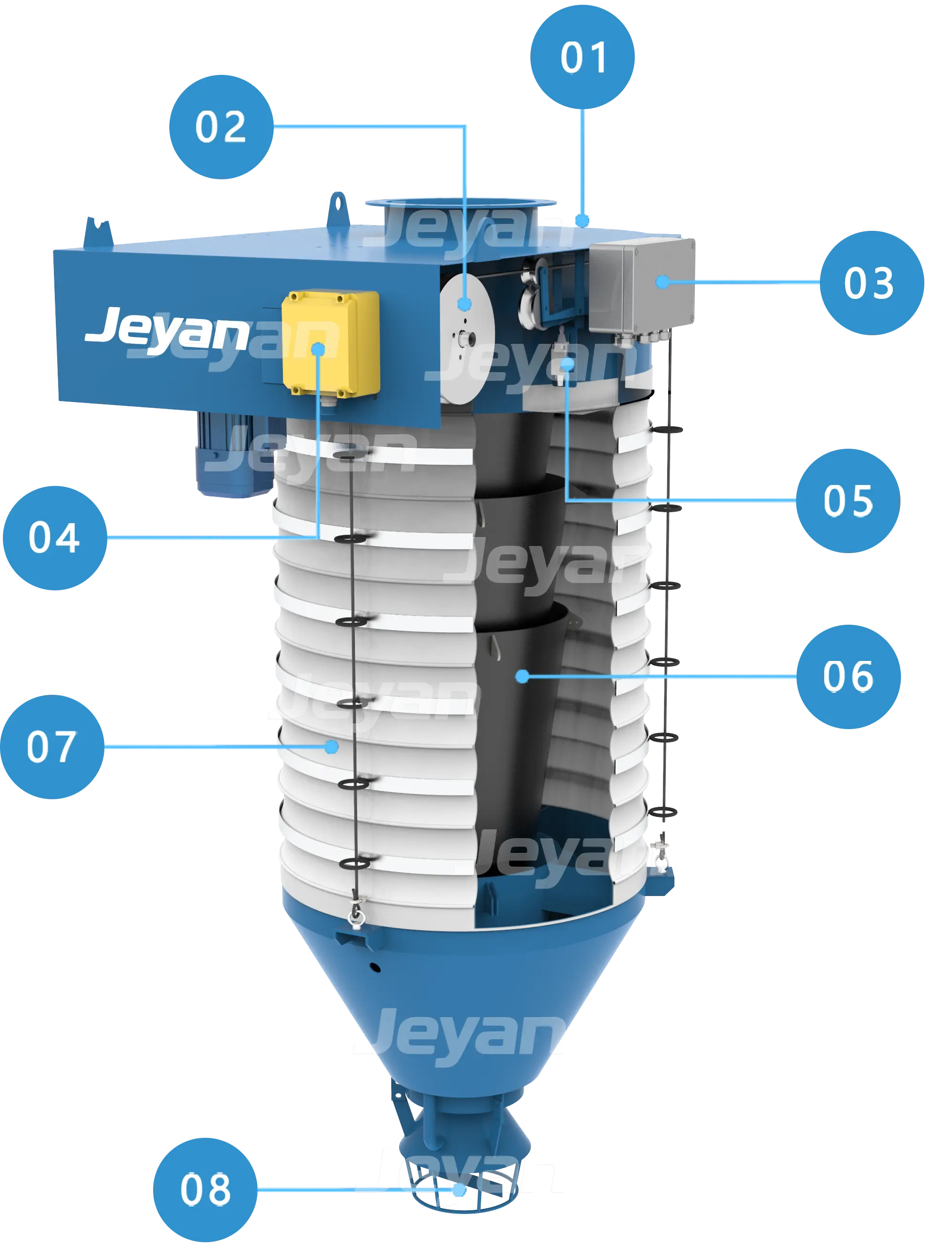
Product Structure

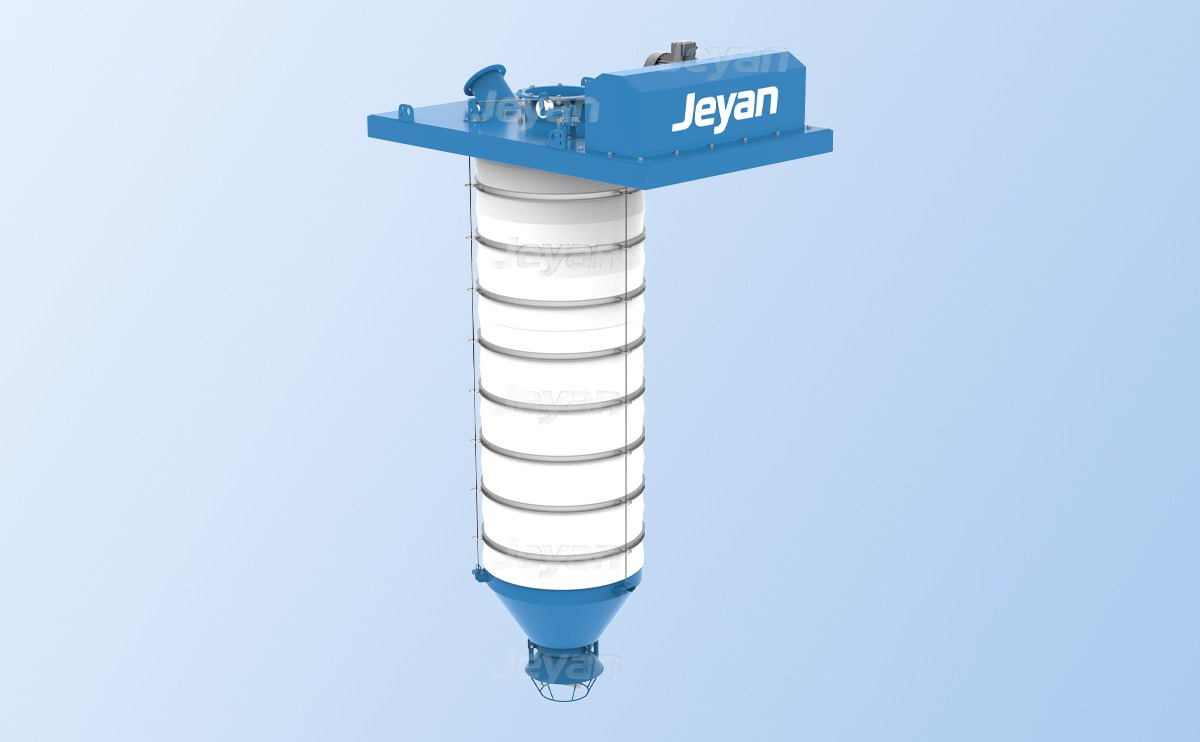
The TE loading spout is composed of several functional assemblies designed to ensure stable lifting, controlled material discharge, and effective dust sealing. Each major component is engineered to balance operational reliability, ease of maintenance, and long service life in powder loading applications.

  • ① Main Frame
  • ② Winch System
  • ③ Terminal Box
  • ④ Rotary Cam Limit Switch (Upper and Lower Limit Switches)
  • ⑤ Slack Rope Switch
  • ⑥ Inner Tube Sections
  • ⑦ Outer Sleeve
  • ⑧ Material Level Switch

Advantages & Features

The TE Series is engineered to meet the practical requirements of tanker powder loading operations. Its design emphasizes operational stability, dust control performance, and engineering flexibility to adapt to different plant conditions. The following features highlight the key design strengths of the TE loading spout.

Optimized Winch System

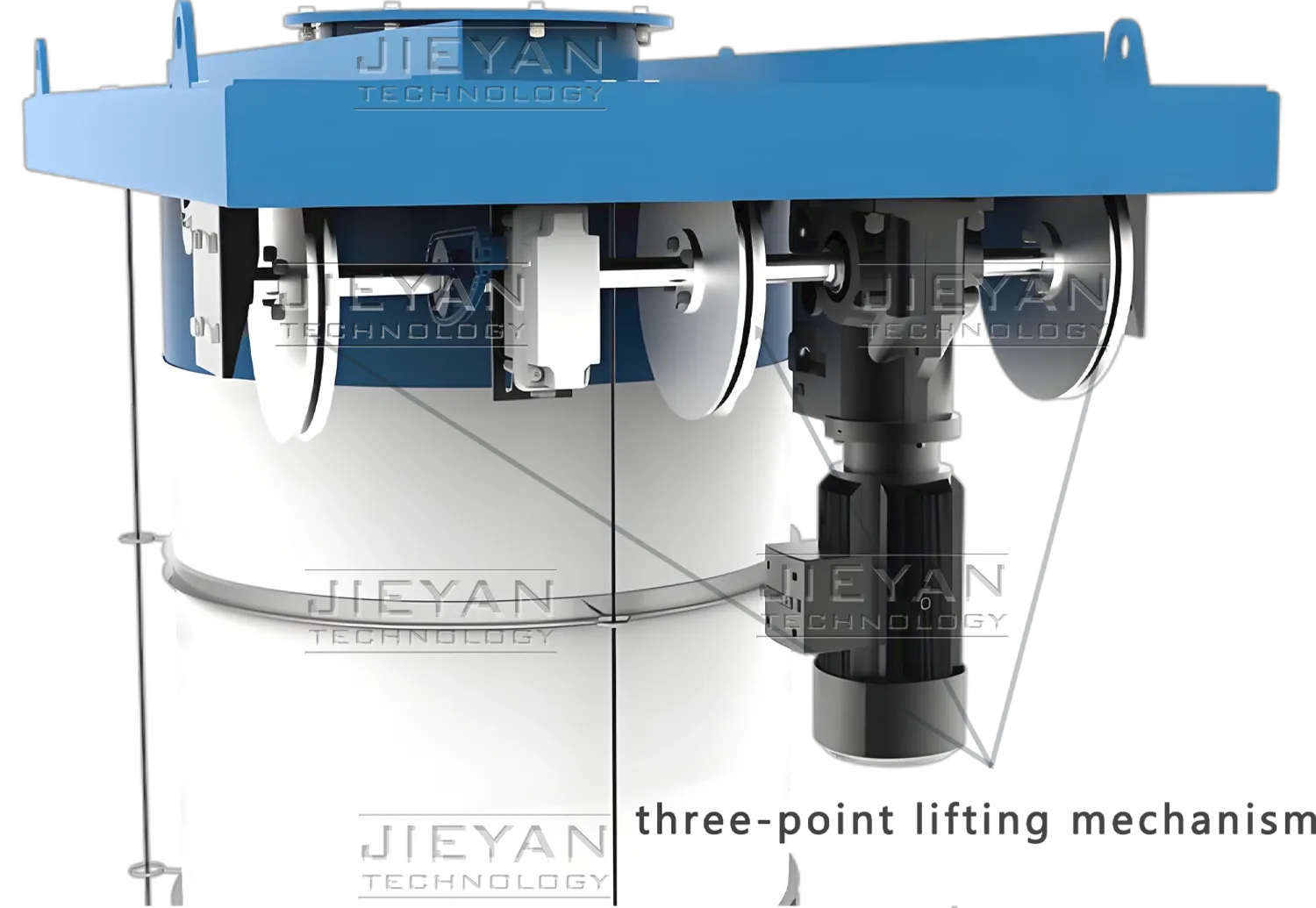
The TE loading spout is designed specifically for tanker loading applications and uses a compact multi-rope Winch System with an industrial gearmotor to ensure stable positioning and smooth vertical movement. The lifting system is optimized for powder handling duty, focusing on operational stability rather than heavy impact resistance. Precision machined rotating components and quality wire rope assemblies ensure reliable performance and long service life in routine powder loading operations.

Optimized Winch System

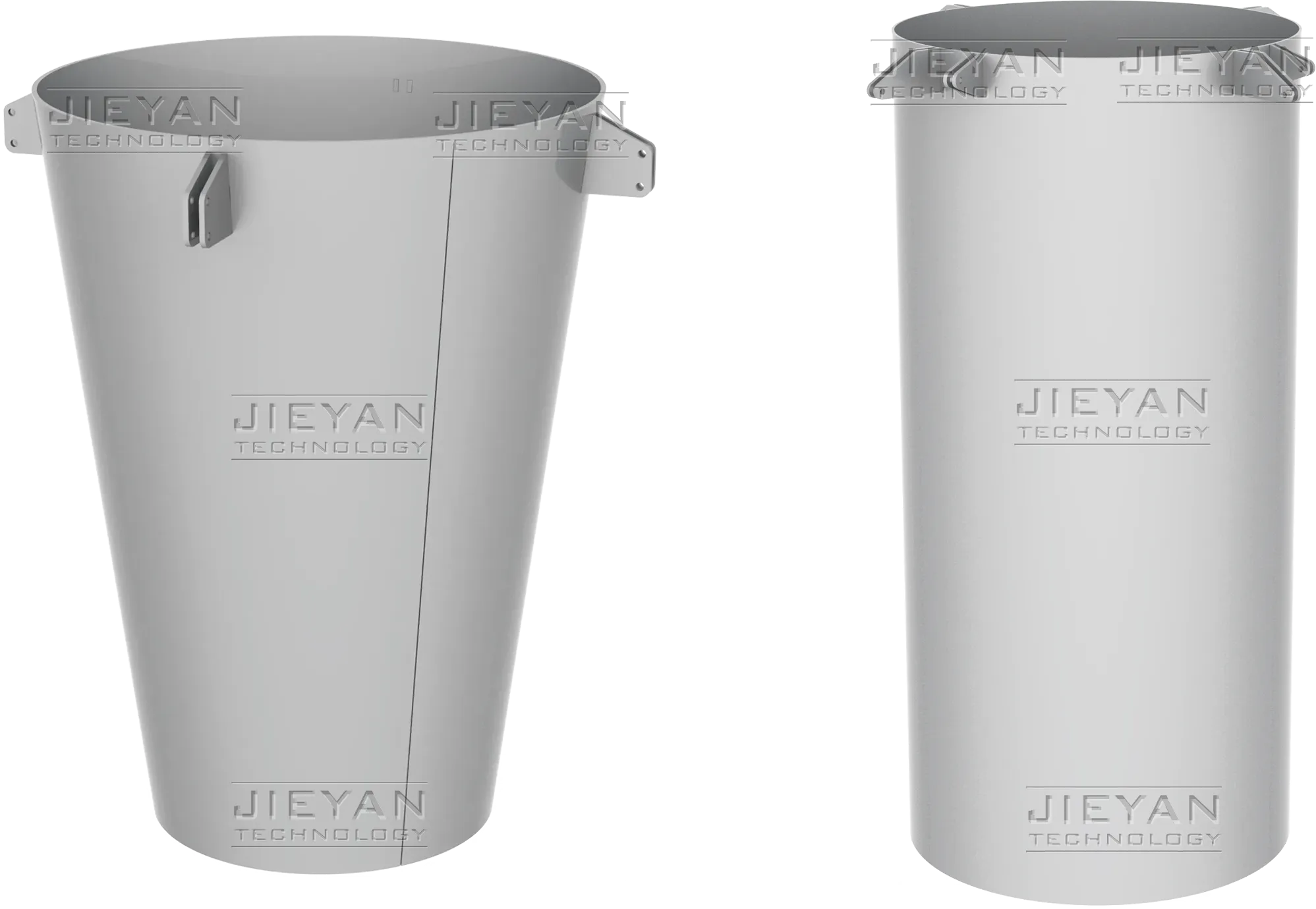
Flexible Inner Tube Configurations

The TE series adopts a conical inner tube design to ensure controlled material flow and minimize dust generation during tanker loading. This structure helps maintain a centered discharge stream and stable powder flow behavior. Inner tubes can be manufactured from carbon steel, wear-resistant steel, wear plates, or stainless steel, with optional ceramic or UHMW liners depending on material abrasiveness. This makes the TE series ideal for cement, flour, fly ash, and chemical powders.

Flexible Inner Tube Configurations

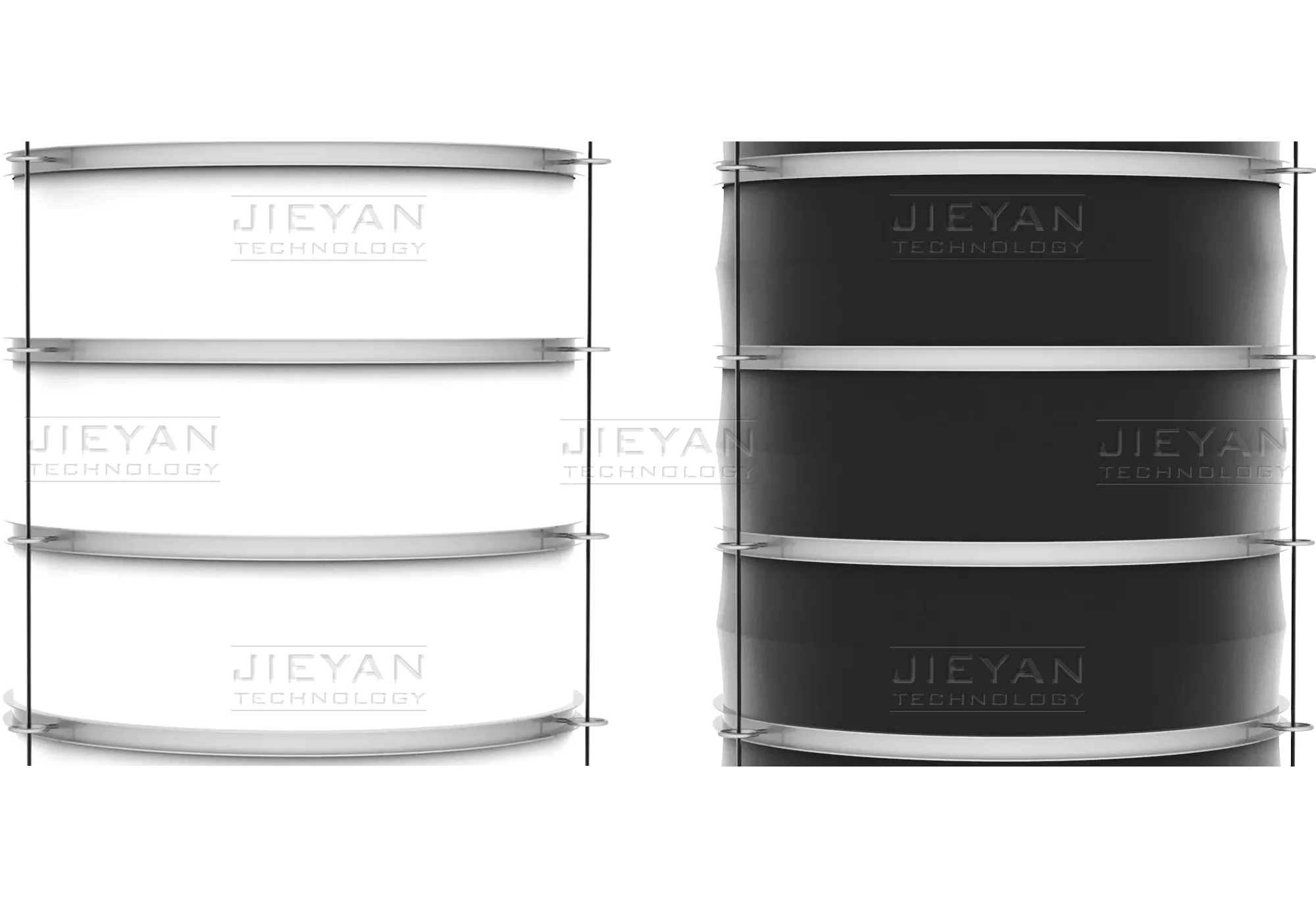
Sealed Outer Sleeve Design

The TE loading spout is designed for enclosed tanker loading where effective dust containment is essential. A durable outer dust sleeve combined with a well-sealed discharge arrangement helps minimize dust escape during loading. Sleeve materials such as polyester, nylon, Hypalon, and rubber are available to suit different environmental conditions. The reinforced sleeve construction ensures durability and reliable performance in powder handling environments.

Sealed Outer Sleeve Design

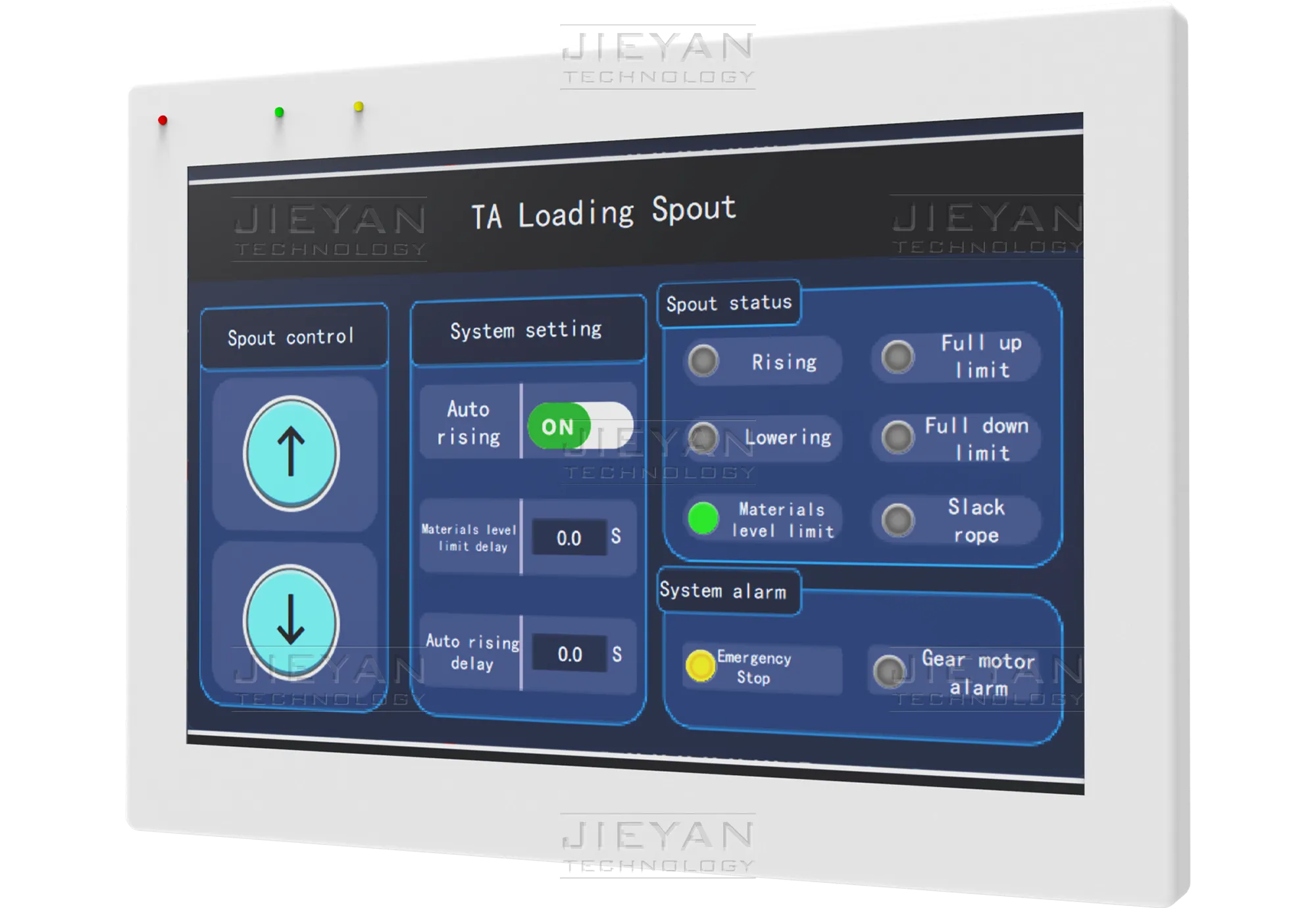
Smart Automation and Safety Control

The TE loading spout includes essential monitoring and safety features such as upper and lower limit switches and slack rope detection to protect the lifting mechanism. Optional level indicators can provide a full-level signal when material reaches the preset height. This signal can be used by the plant control system to stop upstream valves, shut off feeding equipment, or activate interlock logic. PLC control and communication interfaces allow easy integration into plant automation systems.

Smart Automation and Safety Control

Project-Based Custom Engineering

Each TE loading spout is engineered according to project-specific tanker loading requirements. Customizable features include inlet type, sealing arrangements, dust extraction interfaces, lifting configurations, and control systems. This flexibility ensures easy integration into new tanker loading stations or retrofit projects while maintaining reliable performance under real operating conditions.

Long Service Life Construction

Critical components are manufactured using precision machining to ensure smooth operation and dimensional accuracy. Protective surface treatments such as galvanizing and industrial coatings provide corrosion resistance in industrial environments. Structural components are designed for continuous powder loading duty while minimizing maintenance requirements, contributing to long equipment service life.

Technical Specifications

Typical technical data of standard models are shown below for reference and preliminary selection.

Model TE200 TE300
Capacity Up to 200 t/h Up to 300 t/h
Inlet size Ø200 mm Ø300 mm
Stroke range 1,000–3,000 mm 1,000–3,000 mm
Power 0.55-0.75kW 0.55-1.1kW

* Capacity based on typical bulk density, data for reference only, final design prevails, dimensions subject to configuration.

Request a Proposal

Submit your project requirements and our engineers will recommend a suitable configuration for your application.

Submit Successfully!

We have received your message and will contact you soon.

Frequently Asked Questions

Common questions about application range, dust control, and selection data.

Q: What materials can the TE loading spout handle?

A: It is suitable for loading dry bulk materials such as fly ash, cement, grain, fertilizer, and similar powders or fine bulk solids into enclosed vehicles.

Q: What type of loading targets is the TE series designed for?

A: The TE series is designed for enclosed truck trailers, tank trucks, railcars, and other closed receiving points where controlled filling and reduced dust escape are important.

Q: What data is needed for selection?

A: Please provide material type, loading rate, bulk density, tanker or railcar inlet size, required travel length, wear/corrosion condition, and any control or automation requirements.