Overview Product Structure Advantages & Features Request a Proposal Project References Related Products

Product Overview

The PFS Series is designed for standard tanker loading applications where reliable positioning and controlled loading are essential. It offers a balance between automation capability, structural simplicity, and adaptability to different installation environments.

Capacity
Up to 500 T/H
Travel Range
±250mm
Application
Tank truck loading
Typical Materials
Cement

Product Structure

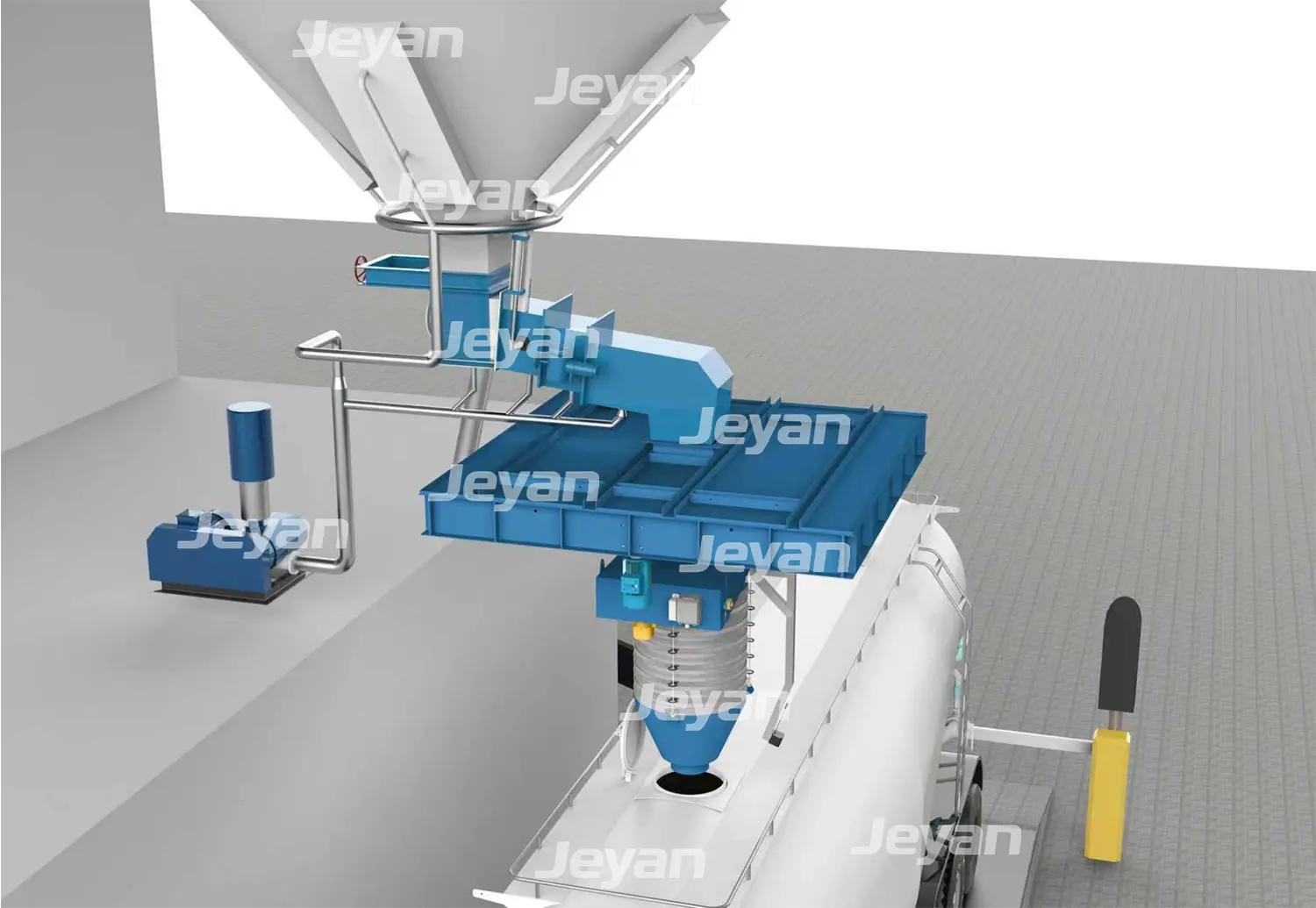
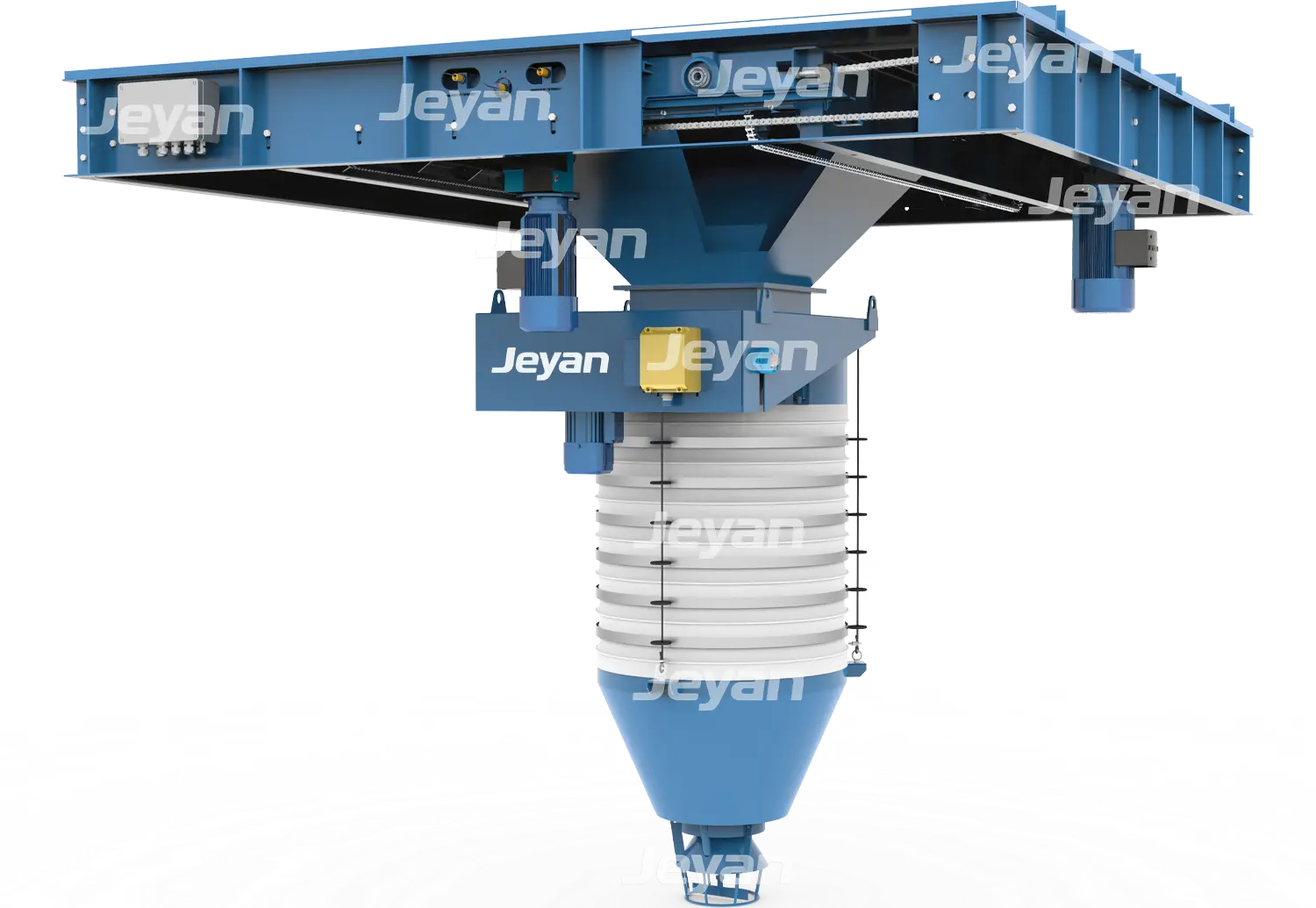
The PFS Series adopts a compact guided positioning structure combined with a telescopic loading spout, designed for precise alignment with a single tanker hatch. The system consists of a support frame, positioning mechanism, lifting assembly, and loading spout, providing stable and accurate loading with a simplified mechanical configuration.
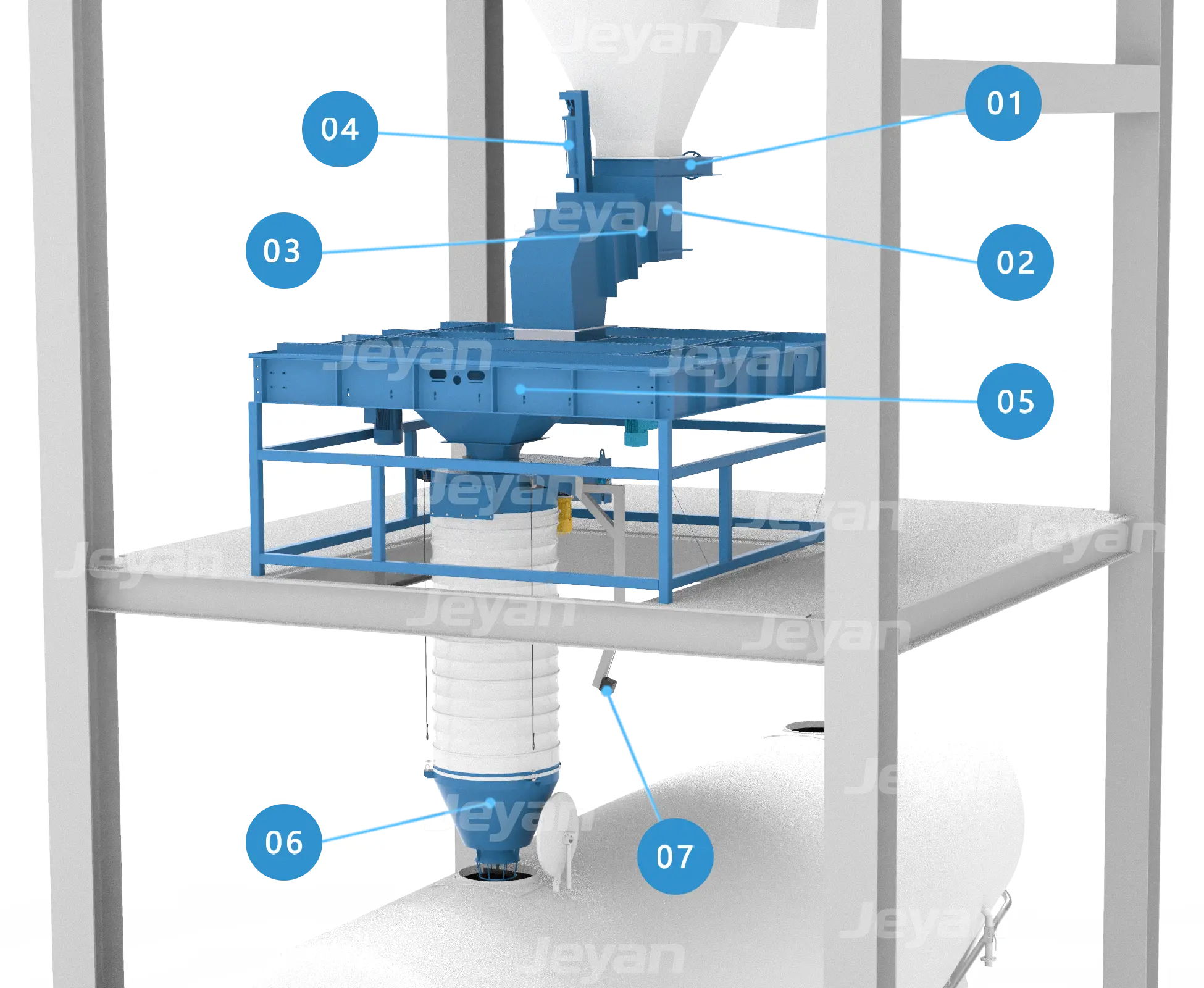
TA Open Vehicle Loading Spout Structure Diagram
  • ① Manual Valve
  • ② Flow Control Valve
  • ③ Aeration Device
  • ④ Pneumatic On/Off Valve
  • ⑤ Positioner
  • ⑥ Telescopic Loading Spout
  • ⑦ ToF Camera

Advantages & Features

The TA Series open truck loading spout is built on proven mechanical design and practical application experience. With reliable operation, effective dust sealing and flexible engineering options, it provides a dependable solution for efficient and clean bulk material loading.

Precision Positioning Technology

The PFS Series is designed for precise alignment with single-hatch tanker trucks without requiring vehicle repositioning. Through guided positioning systems and optional vision technology, the loader can accurately locate the hatch position and compensate for parking deviations. This positioning concept improves loading safety, reduces operator involvement, and ensures consistent operation regardless of truck variations.

Precision Positioning Technology

Articulating Loading Mechanism

The system features a multi-directional loading head capable of longitudinal and lateral adjustment to achieve accurate hatch alignment. This articulated structure allows flexible positioning while maintaining mechanical stability. The compact moving structure makes the system suitable for both new installations and retrofit projects where space is limited.

Articulating Loading Mechanism

Automated Loading Operation

The PFS system supports both manual positioning and fully automatic alignment modes. Operators can choose the most suitable operation method depending on site conditions. Once alignment is completed, loading can proceed automatically, improving operational speed and reducing truck waiting time while maintaining process consistency.

Dust Control Design

The loading unit incorporates a sealed telescopic loading spout designed to minimize dust emissions. Flexible sealing elements maintain close contact with the hatch during loading. Optional dust extraction connections can further improve environmental performance and help maintain clean plant operation conditions.

Structural Reliability

The PFS Series is engineered with robust structural components and industrial-grade drive systems. Key mechanical assemblies are designed for continuous operation and long service life. The reinforced design ensures stable movement and consistent positioning accuracy even under frequent loading cycles.

System Integration Capability

The system can be integrated with plant automation systems, truck identification platforms, and weighing systems. Digital communication allows loading data to be recorded and monitored. This transforms the PFS Series into part of an intelligent bulk material loading solution rather than a standalone machine.

Request a Proposal

Submit your project requirements and our engineers will recommend a suitable configuration for your application.

Submit Successfully!

We have received your message and will contact you soon.

Frequently Asked Questions

Common questions about application range, dust control, and selection data.

Q: What materials can the TA loading spout handle?

A: It is designed for dry bulk material loading into open trucks and rail cars, and can be configured for different wear and corrosion conditions through material and lining options.

Q: How is dust controlled during loading?

A: The outlet uses a double-layer rubber dust skirt with automatic lifting to stay close to the material pile, and the spout also has a dust collection port for connection to an extraction system.

Q: What data is needed for selection?

A: Please provide material type, capacity, loading point, truck or rail car type, wear/corrosion condition, dust control target, and any control or automation requirements.