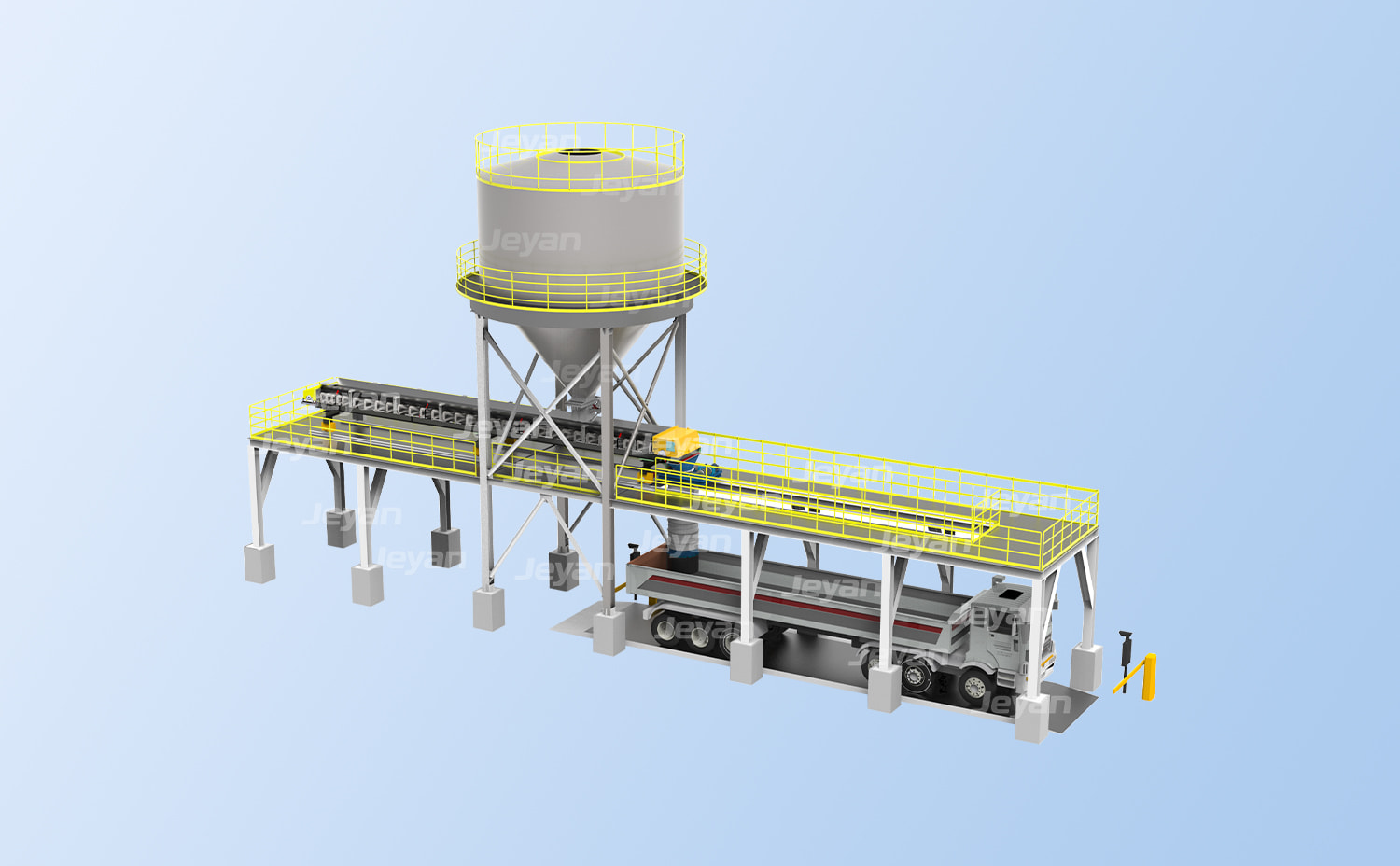
The PFB Series integrates positioning detection, traveling conveying, and telescopic loading into one coordinated system. It is developed for high-frequency truck loading applications where loading efficiency, material distribution quality, and dust control performance must be managed simultaneously.
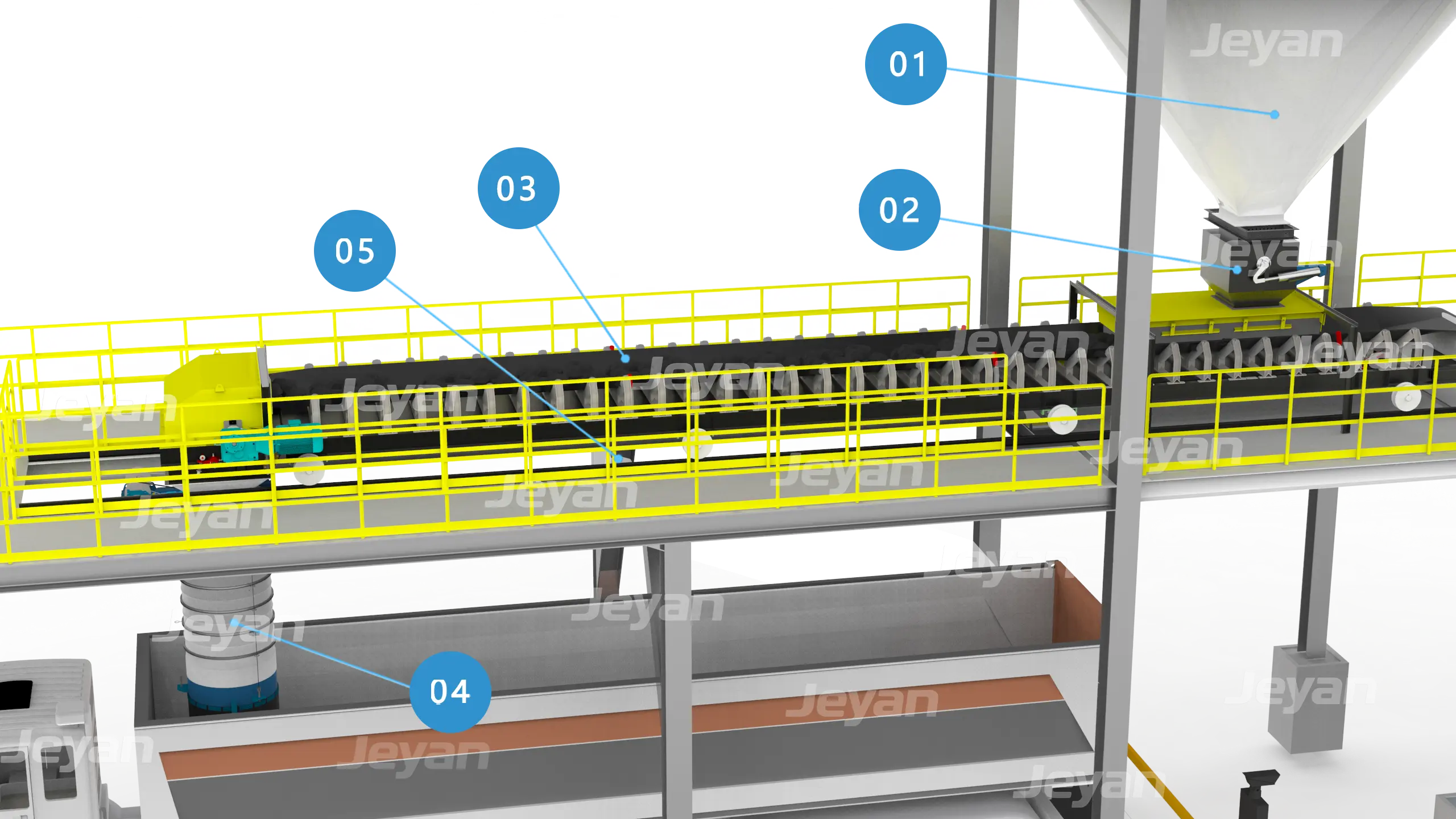
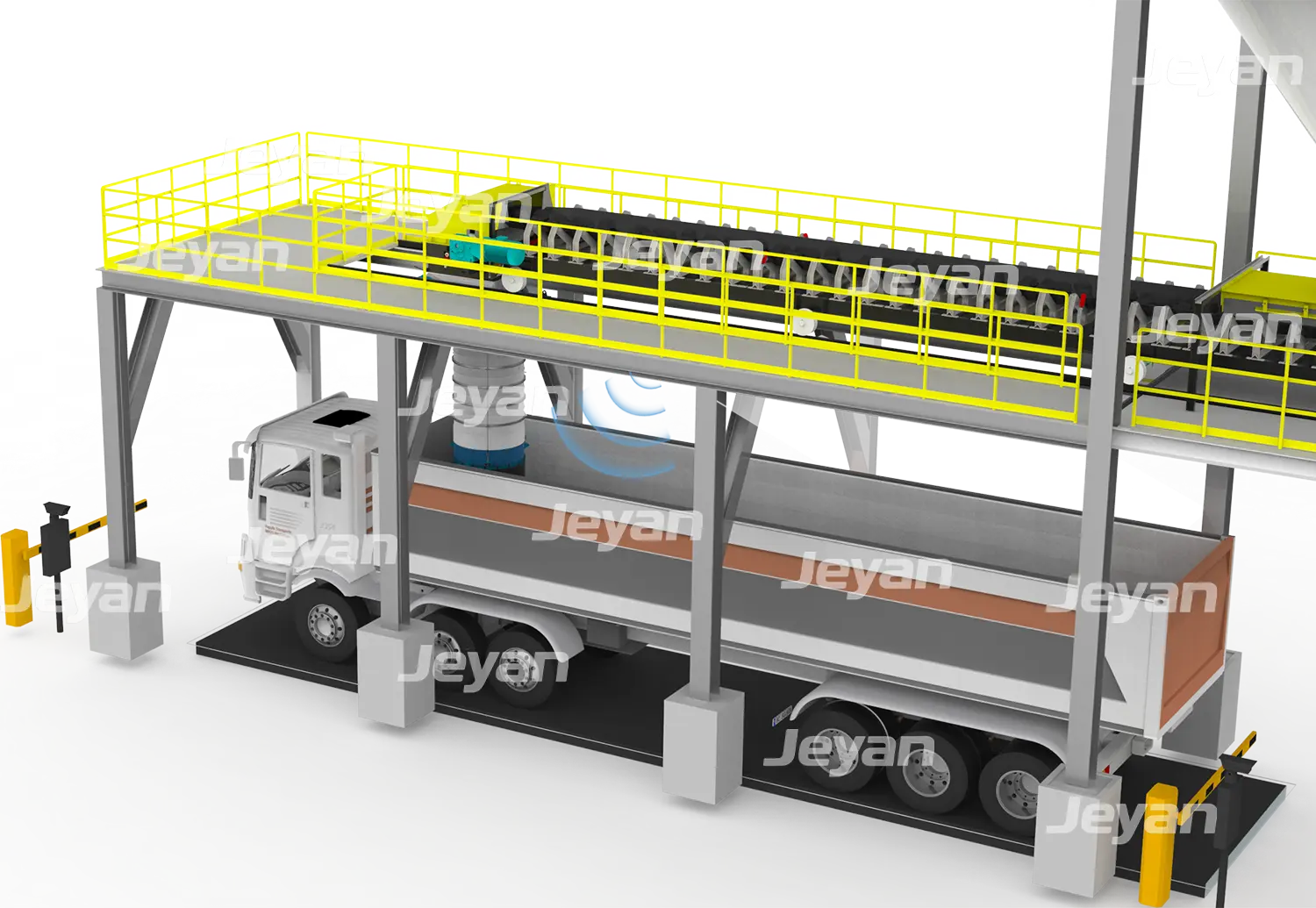
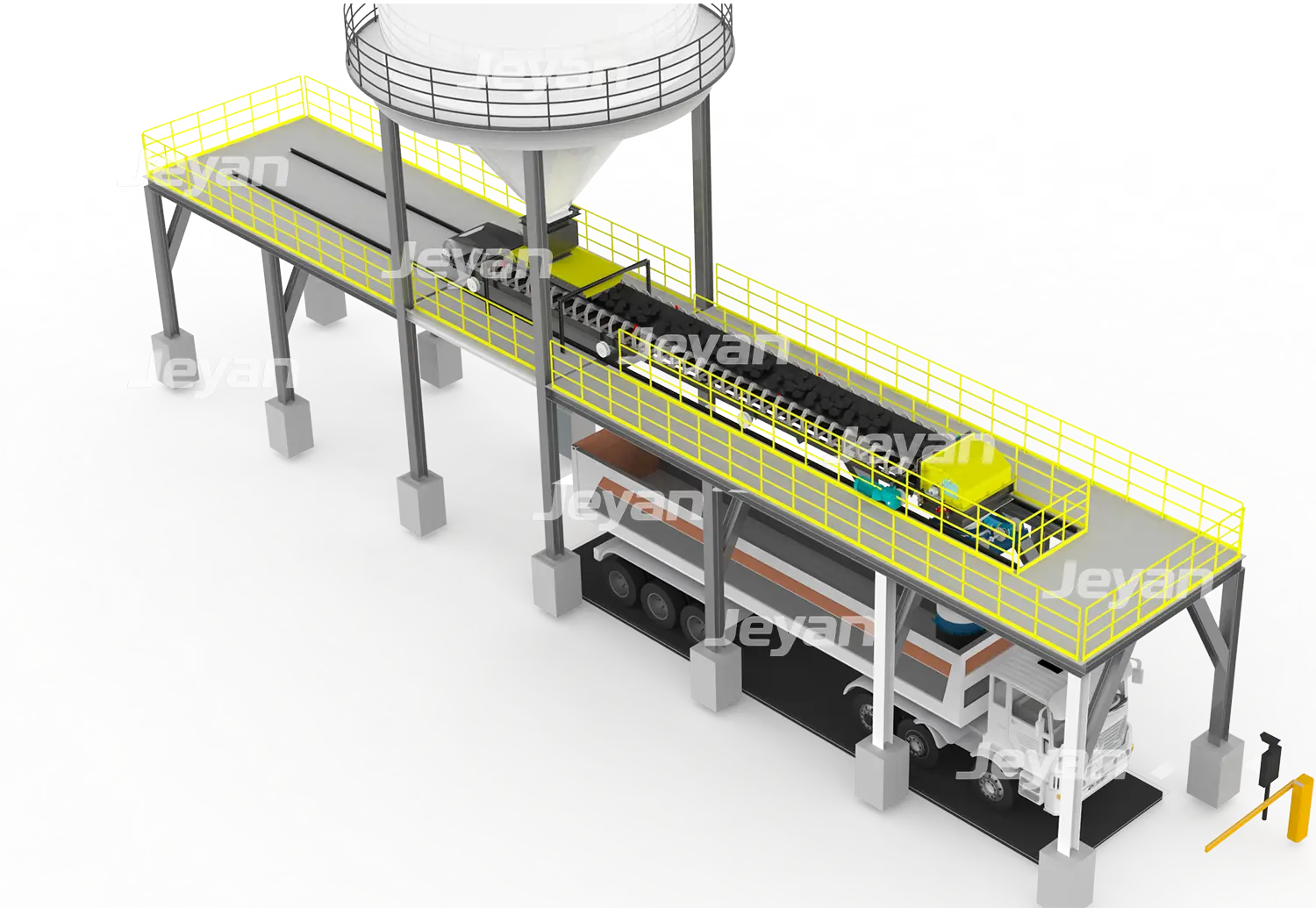
The PFB Series adopts a traveling belt loading structure integrated with a telescopic loading spout, allowing the system to move along the truck while maintaining controlled material discharge. The main assemblies include the scanning unit, traveling conveyor system, guiding structure, and telescopic spout, which work together to achieve continuous and evenly distributed loading.
The TA Series open truck loading spout is built on proven mechanical design and practical application experience. With reliable operation, effective dust sealing and flexible engineering options, it provides a dependable solution for efficient and clean bulk material loading.
The PFB Series integrates a radar scanning unit that continuously detects truck position, trailer length, and loading boundaries. Based on real-time data, the system automatically defines the loading path and start point, ensuring accurate equipment positioning without manual intervention. This intelligent detection system allows the loader to adapt to different truck sizes and improves operational consistency. The result is a safer, more precise, and fully automated truck loading process.
The traveling belt conveyor automatically moves along the truck based on the scanning results, distributing material evenly throughout the loading process. The system eliminates the need for truck repositioning and significantly reduces loading interruptions. Designed for heavy-duty industrial applications, the traveling mechanism features stable drive control and reliable guidance to ensure smooth movement even under continuous operation conditions.
The coordinated operation of the telescopic loading spout and traveling conveyor allows continuous material distribution from the front to the rear of the truck. This design prevents material segregation, uneven piles, and empty zones. By maintaining controlled material flow and discharge height, the system improves loading stability and protects both the equipment and vehicle structure from impact loads.
The loading system incorporates a telescopic loading spout equipped with multi-layer dust sealing curtains and wear-resistant inner liners to minimize dust escape. Optional dust collection interfaces allow connection to plant dust collectors to create negative pressure loading conditions. This integrated environmental design helps reduce airborne dust and supports compliance with modern environmental regulations.
The PFB system is designed to reduce manual involvement through automatic loading sequences and intelligent operation logic. Operators only need to initiate the loading cycle while the system manages positioning, distribution, and completion. This significantly reduces labor requirements, improves safety, and increases truck turnaround efficiency, making it ideal for high-throughput loading facilities.
The system supports integration with plant ERP, truck management, and weighing systems. Loading targets can be automatically assigned and monitored through real-time weight feedback. Data communication enables traceable loading records and improves operational management. This digital integration transforms the loading system from a standalone machine into part of a smart bulk handling solution.
Submit your project requirements and our engineers will recommend a suitable configuration for your application.
We have received your message and will contact you soon.
Common questions about application range, dust control, and selection data.
A: It is designed for dry bulk material loading into open trucks and rail cars, and can be configured for different wear and corrosion conditions through material and lining options.
A: The outlet uses a double-layer rubber dust skirt with automatic lifting to stay close to the material pile, and the spout also has a dust collection port for connection to an extraction system.
A: Please provide material type, capacity, loading point, truck or rail car type, wear/corrosion condition, dust control target, and any control or automation requirements.