Overview Product Structure Advantages & Features Project References Related Products

Product Overview

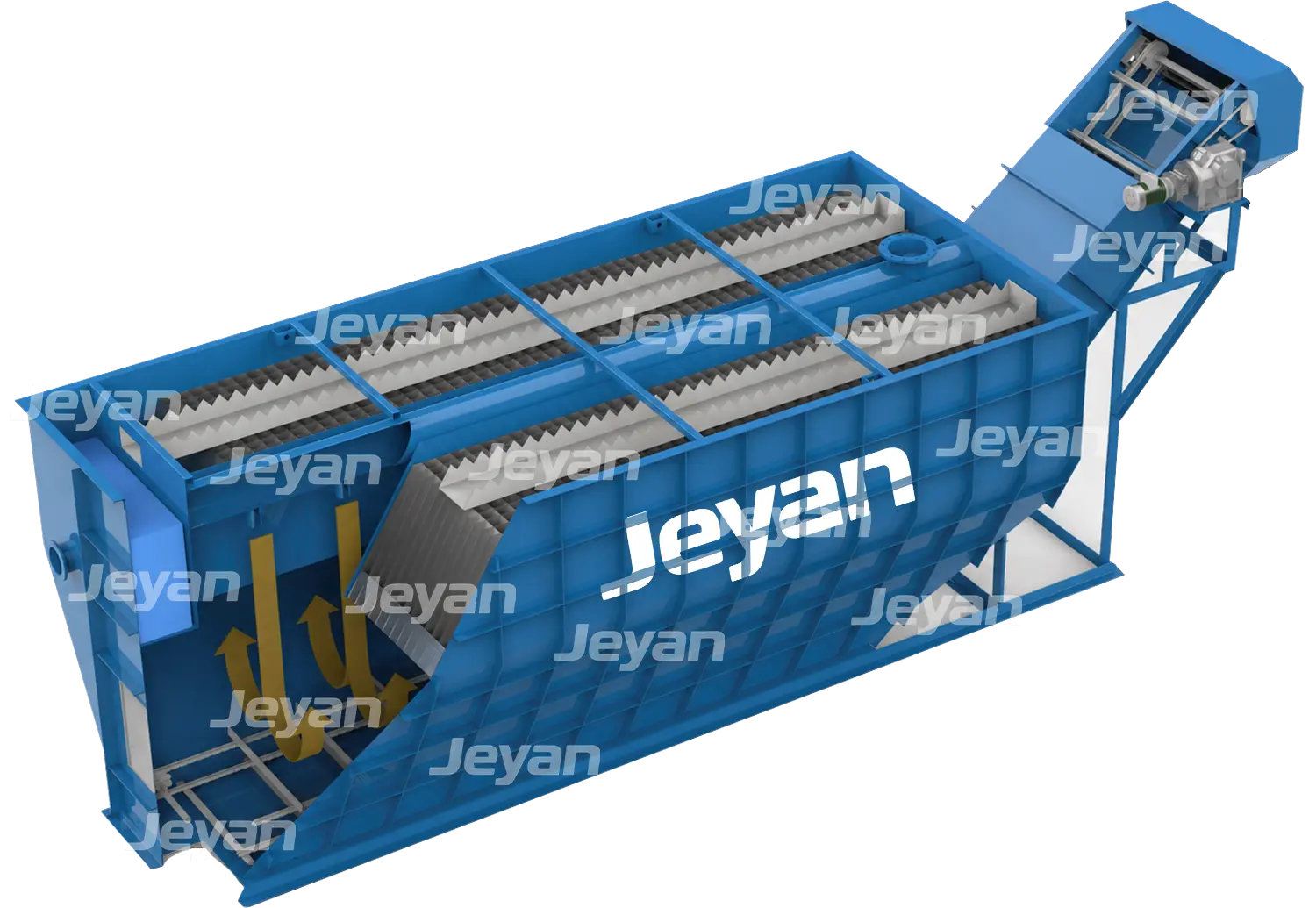
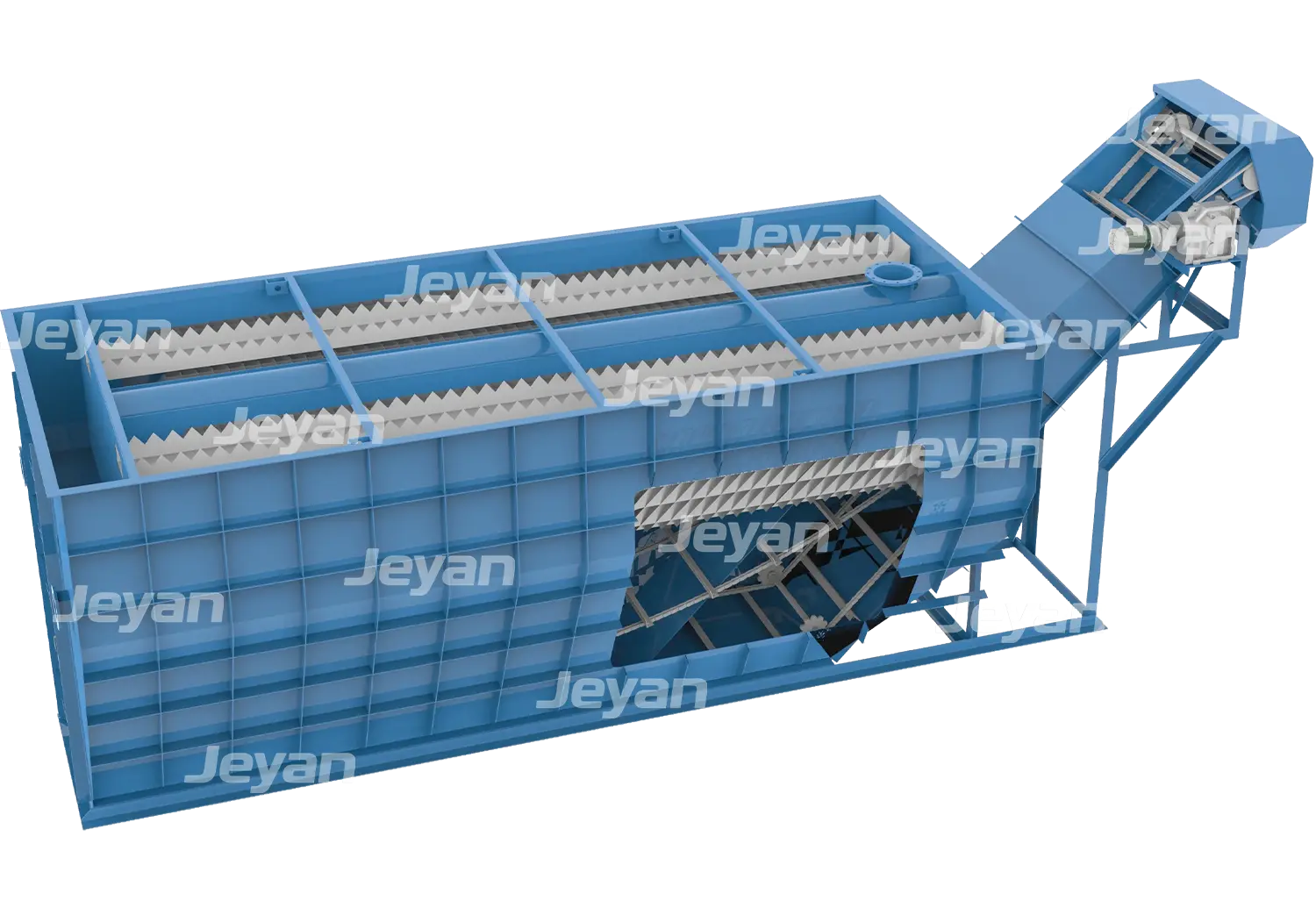
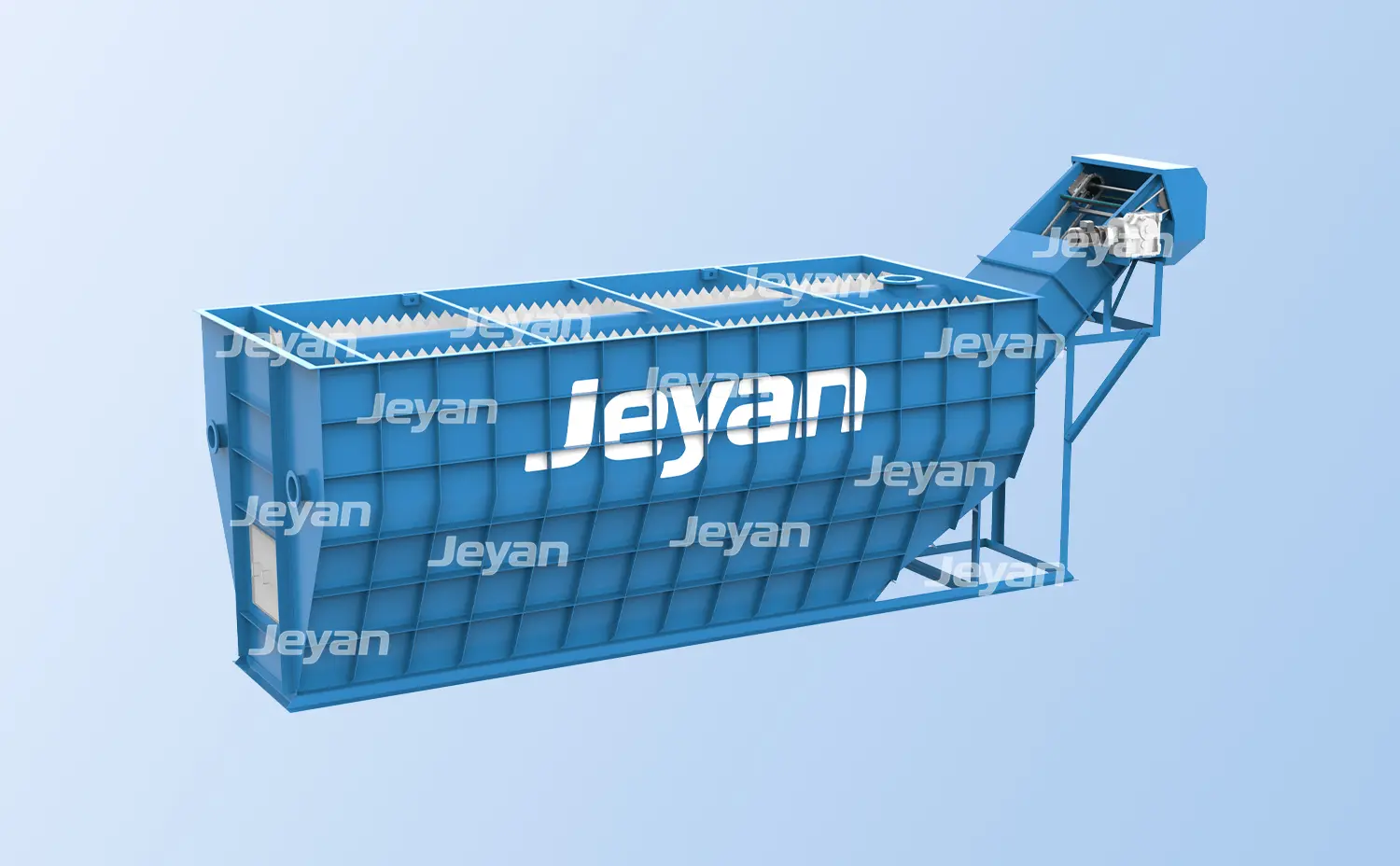
The DRS Series Drag Conveyor Sludge Separator integrates gravity settling with a heavy-duty drag conveyor system to achieve continuous solid-liquid separation and sludge discharge.

Process water enters the settling zone where solid particles rapidly deposit, while the drag conveyor continuously removes and lifts the sludge above the water level. During conveying, the material undergoes natural drainage, increasing solids concentration before discharge. This allows direct collection without additional dewatering equipment, significantly simplifying the overall sludge treatment process.

Capacity
Up to 800m³/h
Cloth Area
15-60m²
Application
Steel industry,Metal processing,Mining,Coal handling,Industrial dust collection,Workshop wash water
Product Structure

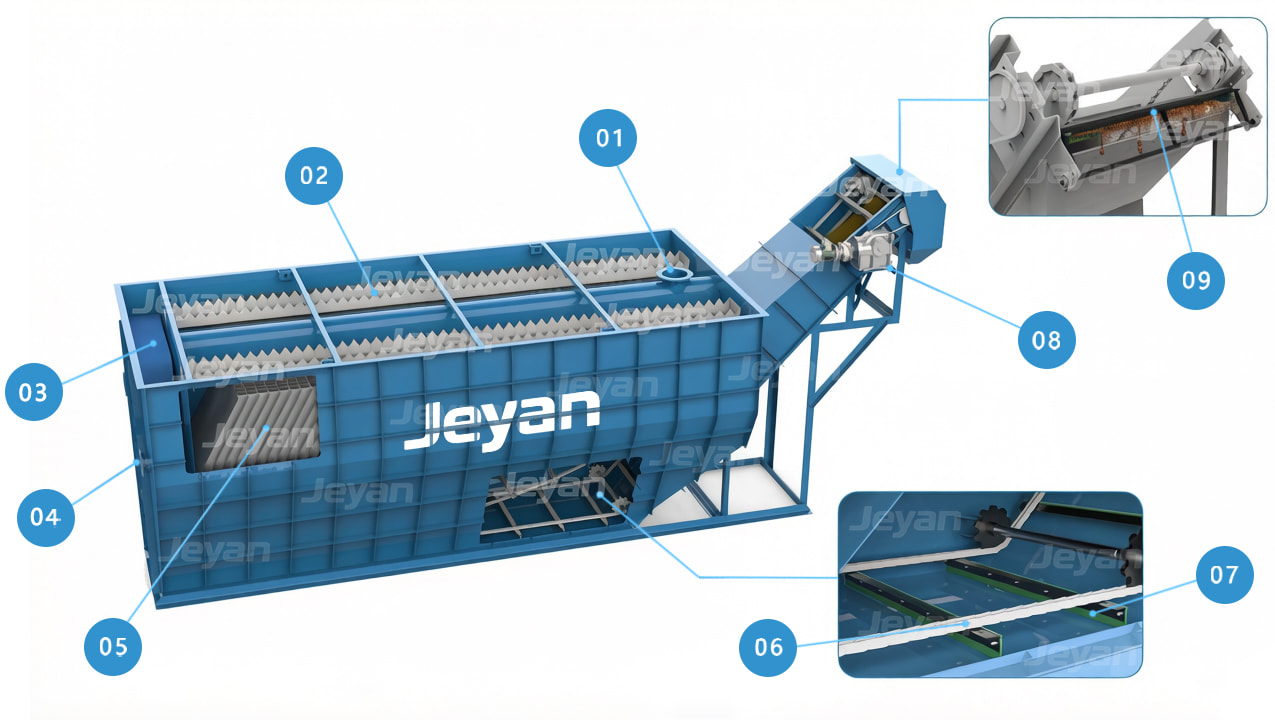
The system is designed as a gravity settling tank combined with a drag conveyor sludge removal structure. Its main assemblies include the inlet distribution system, settling zone, sludge conveying system, dewatering section, and support structure, as illustrated below.

  • ① Wastewater Inlet
  • ② Distribution Channel
  • ③ Weir
  • ④ Effluent Outlet
  • ⑤ Lamella Plates
  • ⑥ Scraper Chain
  • ⑦ Sludge Scraper
  • ⑧ Gear Motor Drive
  • ⑨ Scraper Cleaner

Advantages & Features

The TC series integrates proven mechanical design with practical engineering features developed from bulk material handling projects. These features focus on operational reliability, adaptability to different materials, and long-term durability in heavy industrial environments.

High-Efficiency Gravity Separation

The separator utilizes an optimized gravity settling design that enables rapid separation of high-density particles. This allows efficient solid-liquid separation within a compact footprint, making the system especially suitable for industrial dust collection water treatment applications.

Triple-Rope Winch System

Heavy-Duty Drag Conveyor System

A heavy-duty drag conveyor system ensures continuous and stable sludge removal. The scraper flights combine steel structural strength with replaceable rubber edges to prevent metal-to-metal wear, significantly extending service life while maintaining reliable operation.

Enhanced Core Components

Direct Sludge Dewatering Discharge

Settled sludge is conveyed along a 45° inclined path above the water level, allowing natural gravity drainage during transport. The discharged solids achieve higher solids content and can be directly collected in bulk bags or containers without requiring filter presses or secondary dewatering systems.

Process Simplification & Cost Reduction

The mechanical continuous sludge removal design eliminates the need for sludge pumps, filter presses, and complex sludge handling systems. This significantly reduces capital investment, operating costs, and maintenance requirements while improving overall system reliability.

Reliable Low-Maintenance Operation

The system features a simple and robust mechanical design with minimal moving components. Field applications have demonstrated long-term stable operation with only periodic replacement of rubber scraper edges, greatly reducing maintenance workload.

Designed for Heavy Industrial Applications

The DRS Series is specifically engineered for heavy industrial applications including sinter dust recycling systems, steel slag water treatment, metal grinding dust separation, and coal handling wash water treatment.

Frequently Asked Questions

Common questions about application range, dust control, and selection data.

Q: What materials can the TA loading spout handle?

A: It is designed for dry bulk material loading into open trucks and rail cars, and can be configured for different wear and corrosion conditions through material and lining options.

Q: How is dust controlled during loading?

A: The outlet uses a double-layer rubber dust skirt with automatic lifting to stay close to the material pile, and the spout also has a dust collection port for connection to an extraction system.

Q: What data is needed for selection?

A: Please provide material type, capacity, loading point, truck or rail car type, wear/corrosion condition, dust control target, and any control or automation requirements.